“YOU WANT ME AT BYU?!” — KALANI SITAKE’S IMAGINED OFFER TO JOHN HARBAUGH CREATES A COACHING BOMBSHELL AS A 30-MINUTE RESPONSE STUNS PROVO!
What if BYU head coach Kalani Sitake approached Super Bowl-winning coach John Harbaugh about joining the Cougars? The hypothetical move would send shockwaves through college football—but the reality makes the scenario even more fascinating.

THE COACHING STORY THAT WOULD ROCK COLLEGE FOOTBALL
Imagine BYU football delivering an announcement so unexpected that fans across the country immediately questioned whether they had read the headline correctly.
Kalani Sitake, already leading one of college football’s most ambitious programs, reaches out to John Harbaugh about a potential defensive coaching role.
The proposition sounds almost impossible, considering Harbaugh’s extraordinary professional résumé and his current position leading the New York Giants.
But in a fictional world where college football’s coaching market produces another stunning development, the conversation could become the sport’s biggest storyline.
For BYU supporters, merely imagining Harbaugh arriving in Provo would generate extraordinary excitement about the Cougars’ future.
WHY JOHN HARBAUGH’S NAME CHANGES EVERYTHING
Harbaugh is one of the most recognizable coaches in American football, having established an impressive reputation across decades in the NFL.
His career includes a Super Bowl championship with Baltimore, numerous playoff appearances, and extensive experience building competitive professional football teams.
After leaving the Ravens, Harbaugh became head coach of the New York Giants in January 2026.
That reality makes the hypothetical BYU position particularly extraordinary because it would involve a current NFL head coach accepting a college coordinator role.
Such a transition would represent a dramatic professional change rather than an ordinary assistant coaching appointment.

KALANI SITAKE’S AMBITIOUS VISION
Sitake has spent years developing BYU into a program capable of competing against highly regarded opponents and attracting national attention.
The Cougars have strengthened their competitive identity through disciplined preparation, committed players, and a coaching culture built around relationships.
But reaching the College Football Playoff and competing for national championships requires continual evaluation of personnel, strategy, and resources.
In this imagined scenario, Sitake decides that an experienced NFL coach could introduce valuable perspectives to the defensive program.
The fictional outreach would reflect an aggressive vision for the future, although no evidence suggests Sitake has actually pursued Harbaugh.
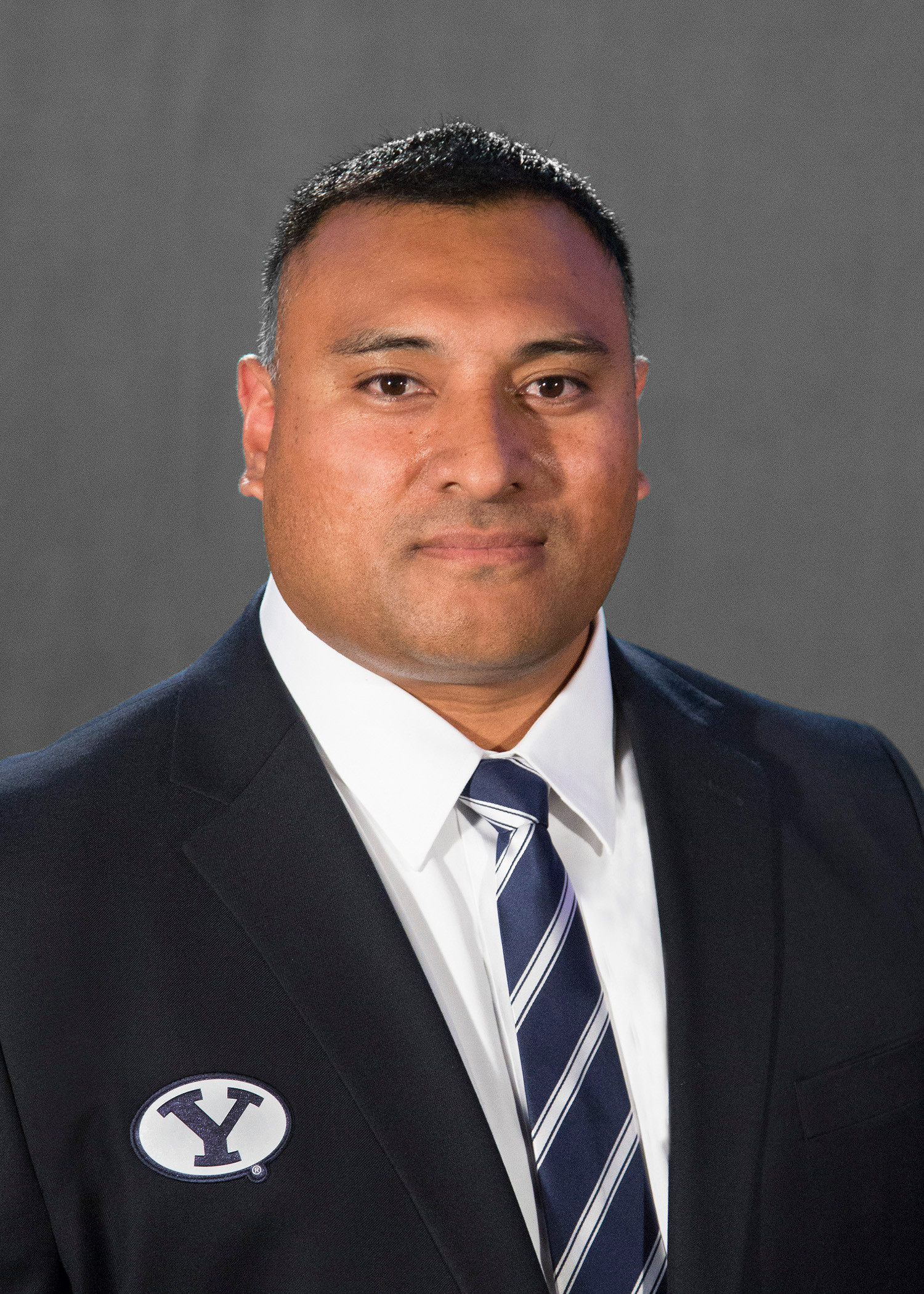
THE THIRTY-MINUTE RESPONSE THAT WOULD STUN PROVO
Picture Sitake sending an unexpected message explaining his vision for BYU football and asking Harbaugh whether he would entertain a conversation.
Only thirty minutes later, the fictional coach receives a response that dramatically changes the atmosphere surrounding the imagined proposal.
Rather than immediately accepting or rejecting the opportunity, Harbaugh expresses appreciation and asks to understand Sitake’s long-term objectives.
That measured fictional response would leave supporters wondering whether an extraordinary coaching partnership could somehow become possible.
However, no real exchange of this kind has been documented, and the thirty-minute timeline belongs entirely to this imagined storyline.
WHY THE PROPOSAL WOULD BE SO UNUSUAL
Head coaching positions in the NFL generally carry responsibilities, visibility, and professional opportunities different from those associated with college coordinator jobs.
Harbaugh currently leads an NFL franchise, making a move to BYU’s defensive coordinator position highly unconventional.
College assistants oversee specific units, recruit players, develop younger athletes, and work within a broader program directed by the head coach.
An accomplished professional coach could bring valuable experience, but accepting that role would require a substantial adjustment.
The imagined possibility illustrates why coaching rumors involving famous names attract attention even when the underlying scenario remains unrealistic.
BYU ALREADY HAS A DEFENSIVE COORDINATOR
One important fact cannot be overlooked: BYU appointed Kelly Poppinga as its defensive coordinator in January 2026.
Poppinga replaced Jay Hill after Hill departed for Michigan, providing continuity within a defensive system that had helped BYU improve.
Sitake also elevated Sione Po’uha to associate head coach and strengthened the staff with additional defensive expertise.
Those decisions demonstrated confidence in the existing coaching structure rather than an announced search for another coordinator.
Any hypothetical conversation about Harbaugh must therefore acknowledge that the position is currently occupied.
KELLY POPPINGA DESERVES RECOGNITION
Poppinga’s appointment was not a temporary placeholder or an insignificant promotion within BYU’s coaching hierarchy.
He brought experience working under established defensive coaches and familiarity with the Cougars’ personnel and preparation methods.
His responsibilities include developing linebackers, coordinating defensive strategy, and ensuring players understand their assignments against demanding Big 12 opponents.
Replacing him with a prominent outside name would involve consequences for continuity, staff relationships, and the team’s established identity.
A serious discussion about coaching improvements should therefore evaluate actual performance rather than assume celebrity status automatically produces better results.
THE ARIZONA STATE VICTORY PROVIDES THE BACKDROP
BYU’s recent 27–20 victory over Arizona State strengthened its record to 7–1 and preserved important opportunities in the Big 12 race.
The Cougars demonstrated resilience against a determined opponent, finding ways to protect their advantage during a closely contested game.
Yet the performance also revealed areas requiring improvement as BYU prepared for increasingly difficult competition.
Those concerns naturally invite discussion about how Sitake can continue strengthening his program.
But discussing potential improvements is very different from claiming that BYU has offered an NFL head coach a specific position.
WHAT HARBAUGH COULD BRING IN THEORY
Harbaugh’s professional experience includes managing experienced coaching staffs, developing competitive team cultures, and preparing for high-pressure postseason situations.
His knowledge of NFL defensive preparation could provide valuable insights into communication, opponent analysis, and situational football.
Younger athletes might benefit from exposure to coaching perspectives shaped by years of professional competition.
A hypothetical partnership could also create substantial recruiting attention, attracting prospects interested in learning from an accomplished NFL figure.
However, translating professional experience into college success requires understanding recruiting, academic responsibilities, and the unique demands of developing student-athletes.
THE RELATIONSHIP BETWEEN TWO STRONG LEADERS
A partnership between Sitake and Harbaugh would involve two established coaches accustomed to directing complex football operations.
Sitake’s approach emphasizes personal relationships, program identity, and developing athletes within BYU’s broader university environment.
Harbaugh’s career reflects demanding professional expectations and experience organizing teams around competitive objectives.
In a fictional collaboration, those contrasting backgrounds could produce interesting exchanges about leadership and preparation.
But effective coaching partnerships require clearly defined responsibilities, shared strategic objectives, and mutual confidence rather than reputations alone.
HOW THE LOCKER ROOM MIGHT REACT
Imagine BYU players learning that their head coach had explored the possibility of bringing a Super Bowl-winning coach into the program.
Some athletes would undoubtedly be excited about the opportunity to learn from someone with such extensive professional experience.
Others might wonder how a major appointment could affect their relationships with existing coaches or change established defensive responsibilities.
The fictional conversation would therefore require careful communication to prevent uncertainty from disrupting the team’s preparation.
Maintaining trust within the locker room would remain more important than generating publicity through a headline-grabbing coaching proposal.
THE NATIONAL SPOTLIGHT WOULD BE ENORMOUS
If a current NFL head coach seriously considered becoming BYU’s defensive coordinator, the story would immediately attract extraordinary national attention.
Recruiting analysts, professional football reporters, and college football commentators would examine the reasons behind such an unconventional career decision.
The university could receive publicity extending far beyond its ordinary football coverage.
However, intense media interest would not guarantee better defensive results or improved performance against elite opponents.
The practical value of any coaching appointment must ultimately be measured through preparation, player development, and on-field execution.
THE UTAH SHOWDOWN REMAINS THE REAL PRIORITY
While the hypothetical coaching story creates fascinating possibilities, BYU’s immediate challenge is its November 7 rivalry game against Utah.
The Cougars enter the matchup ranked ninth in the College Football Playoff standings, while the undefeated Utes hold third place.
The contest presents a significant opportunity for BYU to strengthen its postseason résumé and demonstrate its championship credentials.
Sitake’s current staff must prepare players to execute consistently against one of the nation’s strongest teams.
That responsibility matters considerably more than speculation surrounding an improbable coaching change.
WHAT WOULD ACTUALLY MAKE BYU BETTER?
The Cougars’ championship aspirations depend on improving execution, maintaining defensive discipline, and limiting costly mistakes during important possessions.
Developing quarterbacks, strengthening communication, and ensuring consistent tackling could provide immediate competitive benefits.
Coaches must also maintain strong relationships with players while preparing for opponents capable of creating explosive offensive plays.
Poppinga’s defense will face demanding challenges, particularly as BYU attempts to remain competitive in the Big 12 race.
A famous coaching name might create excitement, but sustained success depends on the effectiveness of the entire program.
THE FINAL VERDICT: A FASCINATING WHAT-IF, NOT A CONFIRMED DEAL
The imagined conversation between Kalani Sitake and John Harbaugh represents the kind of extraordinary coaching scenario that captivates football supporters.
Harbaugh’s Super Bowl pedigree and extensive NFL experience make his name instantly recognizable in any discussion about defensive leadership.
But the verified situation is clear: Harbaugh currently coaches the New York Giants, and Kelly Poppinga directs BYU’s defense.
No credible evidence confirms an official offer, a thirty-minute response, or negotiations concerning a coordinator position in Provo.
The fictional scenario nevertheless highlights the ambition surrounding a BYU program determined to compete against college football’s strongest opponents.
For Sitake, the challenge is not attracting the most famous coaching name, but ensuring that every member of his staff helps BYU reach its potential.
For Cougars fans, the real excitement lies in a 7–1 team preparing for a monumental showdown against Utah.
And for anyone imagining Harbaugh arriving in Provo, the storyline remains an intriguing football fantasy—not an actual coaching announcement.


